
Compost- waste into garden gold


Starting a compost pile might seem like a daunting task for new gardeners, but the benefits are worth learning how to turn your garden and kitchen waste into garden gold.
Compost can be complicated if you choose to dive deep into the science, but it doesn't have to be difficult if you just want to start somewhere small to use up your kitchen scraps and garden cuttings.
Like most things, compost is about getting the balance right for the best result. Nature has its own ways of creating new soil and organic material to feed the soil biology and help new and existing plants to grow and thrive. Following nature as a guide will help you on your composting journey.
If you think about the seasons, in Autumn when leaves fall and settle to make a mulch layer and provide habitat and food for insects, the leaves eventually get churned through and turned into the next part of the cycle, composting is the same thing.

By adding a diversity of thin layers and turning those manually, or having the critters turn them for us, we will eventually end up with compost. The quality and percentages of minerals depends on what goes into it, and getting the right balance can be a learning curve but at the end of the day, it's better to start now, you'll never have enough compost!
You can even try the lazy composting approach if you're not physically able to turn the compost materials manually, this method requires some form of air circulating inside the pile, like the use of pipes or tubes with holes for ventilation, and a much longer rest period before use.
This picture above shows a lazy compost pile, with the plastic bin removed and you can see the layers of different materials that have been added over time, with little or no manual turning, the bottom shows the materials have broken down into smaller particles.

You can purchase home compost bins, or repurpose containers to try a simple method where you add in thin layers regularly and turn the materials with a compost spiral or garden fork.
Keep a seperate bin for collected brown waste like autumn leaves, torn up undyed cardboard or paper, so you can always add some browns on top of the greens.
You might like to add rodent mesh securely at the base of a plastic compost bin so worms and bugs can still enter to do their work, but keep the mice and rats out of the compost.
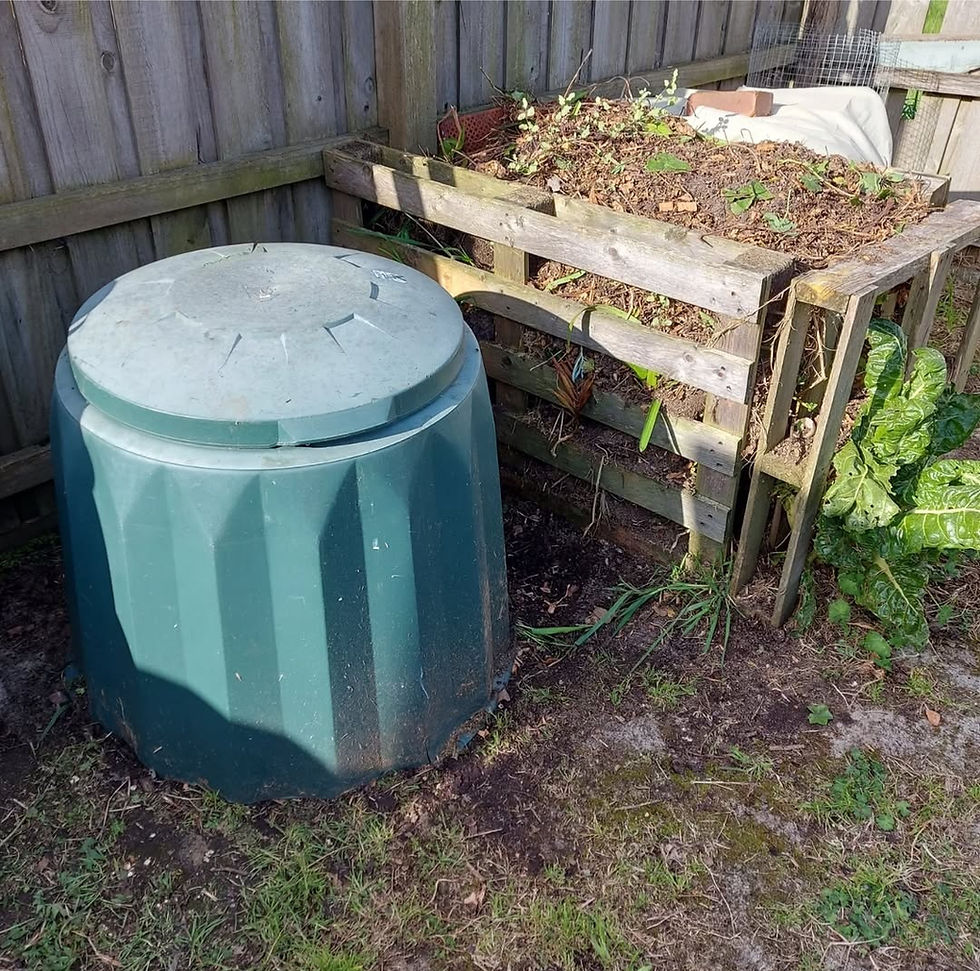
You can use heat treated pallets (avoid chemically treated pallets which can be toxic) as a frame to build a compost bay, or several bays, making it easier to turn, and let bays rest for a period of time until ready to put onto the garden.
Some of the best volunteer plants grow straight out of the compost pile, like this silverbeet plant. Pumpkin vines are also notorious as compost volunteers.
With so many different resources out there, I'd like to share a few to get you started.

Kate Flood- AKA The Compost Coach has a great book and instagram full of composting tips, troubleshooting and methods. Great for kids, and beginner gardeners.

ABC COMPOSTING 101 video, link below
And as a general guide to building your own compost pile, stick to the following:


Comments